
220 Engine Walkthrough
Here are some important tips that can save you and your loved ones in case of fire.
1. Check your smoke and CO alarms: Working smoke detectors and CO alarms save lives. Replace the batteries yearly and have the electrical wiring checked. Smoke detectors and CO alarms expire after 10 years. Depending on model and conditions, some CO detectors may expire in as little as 5 years. Be sure to keep track of how old your alarm is and change it when needed.
2. Schedule a check-up for electrical wiring: Faulty electrical wiring can cause fire incidents. If you notice flickering light bulbs and sparking switches, have the lines checked by an expert as it might be time for replacement or repair. Keep foot traffic away from electrical cords to avoid wiring damage and limit the use of extension cords as they may overheat the sockets. Big appliances such as refrigerators should have their own outlet.
3. Keep flammable items away from children: Candles, matches, lighters, butane, gasoline and items alike should be stored away from children.
4. Be alert in the kitchen: Stay mindful when cooking and don’t leave ovens, broilers, and stoves unattended. Keep towels or anything that can catch fire away from your stovetop. Always make sure the lid is available to cover the pan in case the pan catches fire.
5. Avoid smoking indoors: If you have a smoking room, place several deep and stable ashtrays on a sturdy surface. When emptying the ashtrays or throwing away cigarette butts and ashes, make sure that they have cooled and there are no remaining embers.
6. Keep emergency numbers visible and easily on hand: In addition to saving important emergency numbers on your phone, write them down and place them in a visible location in your home. Be sure to include your address and home phone number for visiting guests.
7. Create and practice a fire escape plan at home: A well-rehearsed emergency exit plan greatly alleviates panic during an emergency. It takes two minutes for your house to be filled with toxic fumes from a fire: “Get low and go” when making an exit. Practice feeling the door and walls using the back of your hand for a hint from the next room. Designate a person to get elderly and young children out safely. Pick a meeting place to assemble afterward.
8. Make sure that your address number is visible from the road, especially at night, so we can find you in an emergency.
RMES continues to respond to all calls for service and has protocols in place to protect our residents and responders.
As a precaution, visitors will not be permitted in the fire station until further notice. If you have an emergency, dial 9-1-1!!
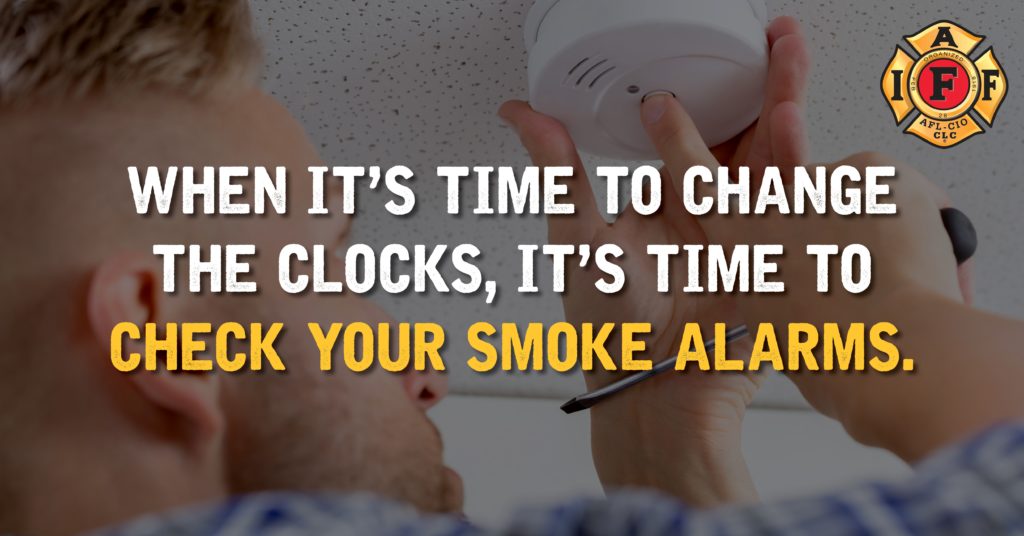
Every six months you hear from firefighters, “When you change your clock for Daylight Saving Time, check your smoke and carbon monoxide alarms.”
It is more than a slogan – and firefighters see it often – smoke alarms save lives. Working smoke detectors alert you more quickly in the event of a fire and provide you and your loved ones more time to escape safely.
Statistics back it up, too. Nearly two-thirds of all home fire deaths occur in homes with no working smoke alarm — a number that can easily be reduced with a few simple moments of fire safety precaution and preparation twice a year.
While checking your smoke and carbon monoxide alarms is important, many smoke alarms are hard wired to the electric of your home or they have long-life-span batteries – making the need to change the battery obsolete. But that doesn’t mean there is nothing to do come Daylight Saving Time.
The first step is to make sure you have the most up-to-date alarms. Firefighters recommend replacing any smoke alarm that is older than 10 years old.
It is also important to have the correct type of smoke alarm. Photoelectric smoke alarms are more effective at warning of smoke from smoldering fires, while ionization smoke alarms are quicker to inform about free-burning fires. With that in mind, firefighters recommend installing a combination photoelectric/ionization smoke alarm in every bedroom, outside of every bedroom and on each floor of your home.
Knowing what to do in an emergency can mean the difference between life and death, so once your smoke alarms are installed and in good working order, practice evacuating your home.
Make sure your family knows two ways out of the house, including from bedrooms. Draw a map to show both exit paths. Push the button on the alarm and let it make its loud warning so that all family members know the sound, then practice exiting the home as if it is an actual emergency.
Having a predetermined meeting place once you leave the home will help firefighters quickly know if everyone is out of the house and, if not, where they need to search first. And most importantly, remind your family members that once they are out of the house – they should stay out until firefighters give the all clear to reenter.
So, when you change your clock for Daylight Saving Time, Redwood Meadows Emergency Services encourage you to not only take a few moments to check your smoke and carbon monoxide alarms, but also to take the extra time to practice fire safety in your home.
Here are some important tips that can save you and your loved ones in case of fire.
As of August 17 @ 16:00
The Wildfire Danger level in Redwood Meadows and Bragg Creek is:

Last Update: Friday September 11, 12:14

RMES is a
100% VOLUNTEER
run organization.

Did you know that we do station tours?
Check this page for more info.